
Compare Claire
HIPAA Compliant
PHIPA Compliant
PIPEDA Compliant
Notes from Claire on physician documentation, burnout, and what an AI clinical partner can take off your plate — grounded in primary clinical research.
Documentation has quietly become one of the heaviest parts of practising medicine. Studies of primary care show physicians spending nearly two hours on the electronic health record and desk work for every hour of direct patient care, with much of that charting spilling into evenings and weekends — the “pajama time” that erodes both capacity and the reasons people went into medicine in the first place. This blog is where the Claire team works through that problem in the open: what actually drives the administrative load, what an AI clinical partner can responsibly take off a clinician’s plate, and where the line between drafting and deciding has to stay.
Claire is built as an AI senior resident, not a passive transcription tool. It helps gather intake and history, organizes the clinical picture, and drafts the note — while the physician stays in control of every clinical judgment that reaches the chart. We write from that point of view: practical, grounded in published clinical research, and honest about what AI in the exam room should and shouldn’t do. When we cite a number, it comes from a named source; when the evidence isn’t there, we say so rather than inflate a stat.
A few recurring themes shape almost everything we publish here.
Why notes still finish at 9pm, how charting load compounds into burnout, and what reclaiming that time does for the patients still waiting to be seen.
How a clinical partner can do the heavy lifting on intake, history, and the first draft while the physician keeps full authorship and final say.
What separates a tool designed around the clinical encounter from a generic dictation or transcription add-on bolted onto an EMR.
How Claire approaches safety, EMR-agnostic workflows, and patient privacy under HIPAA, PHIPA, and PIPEDA.
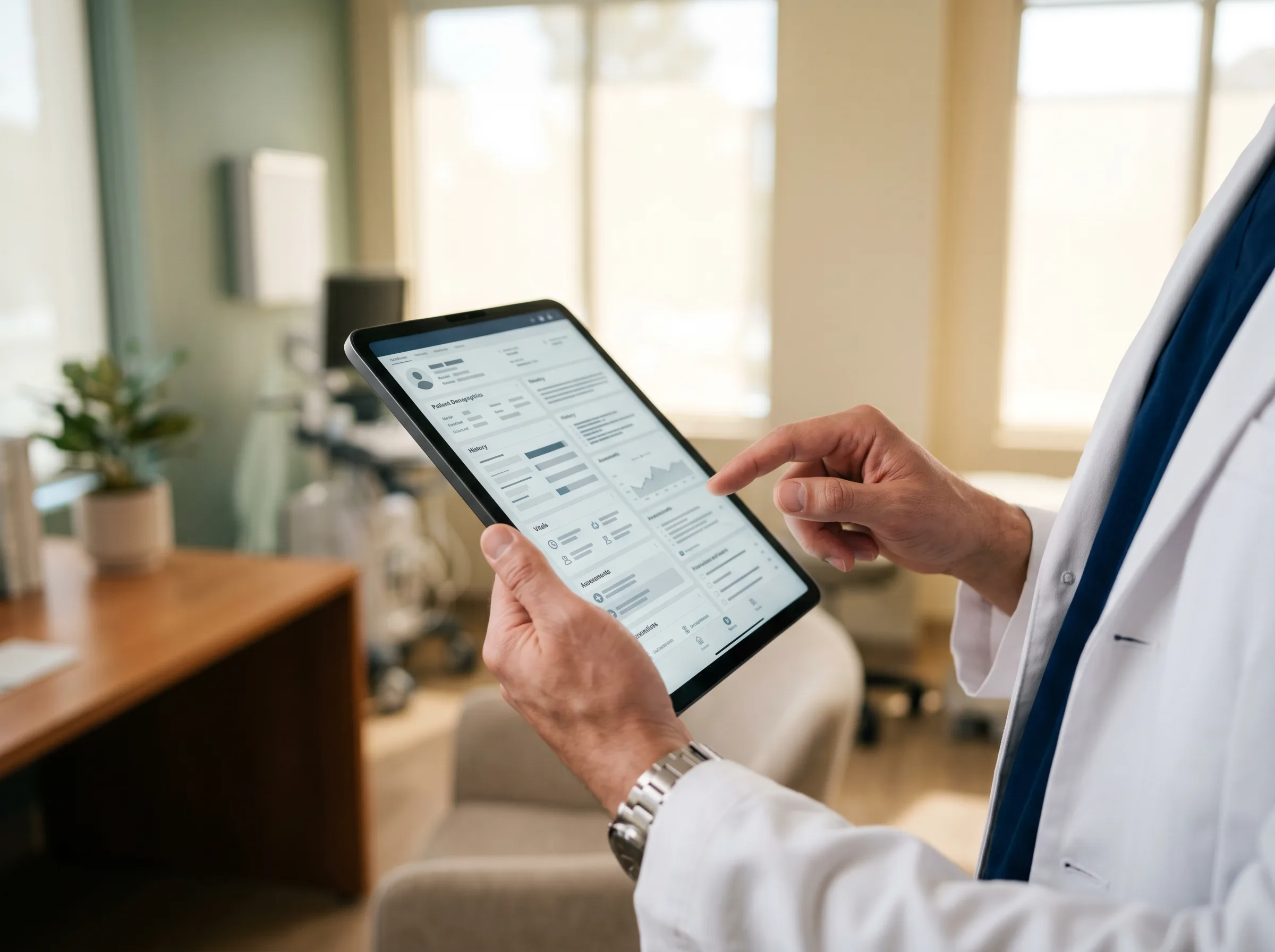
A practical, step-by-step guide to writing a clean SOAP note — what goes in each section, the phrasing that holds up to an audit, and how to stop the note from eating your evening.
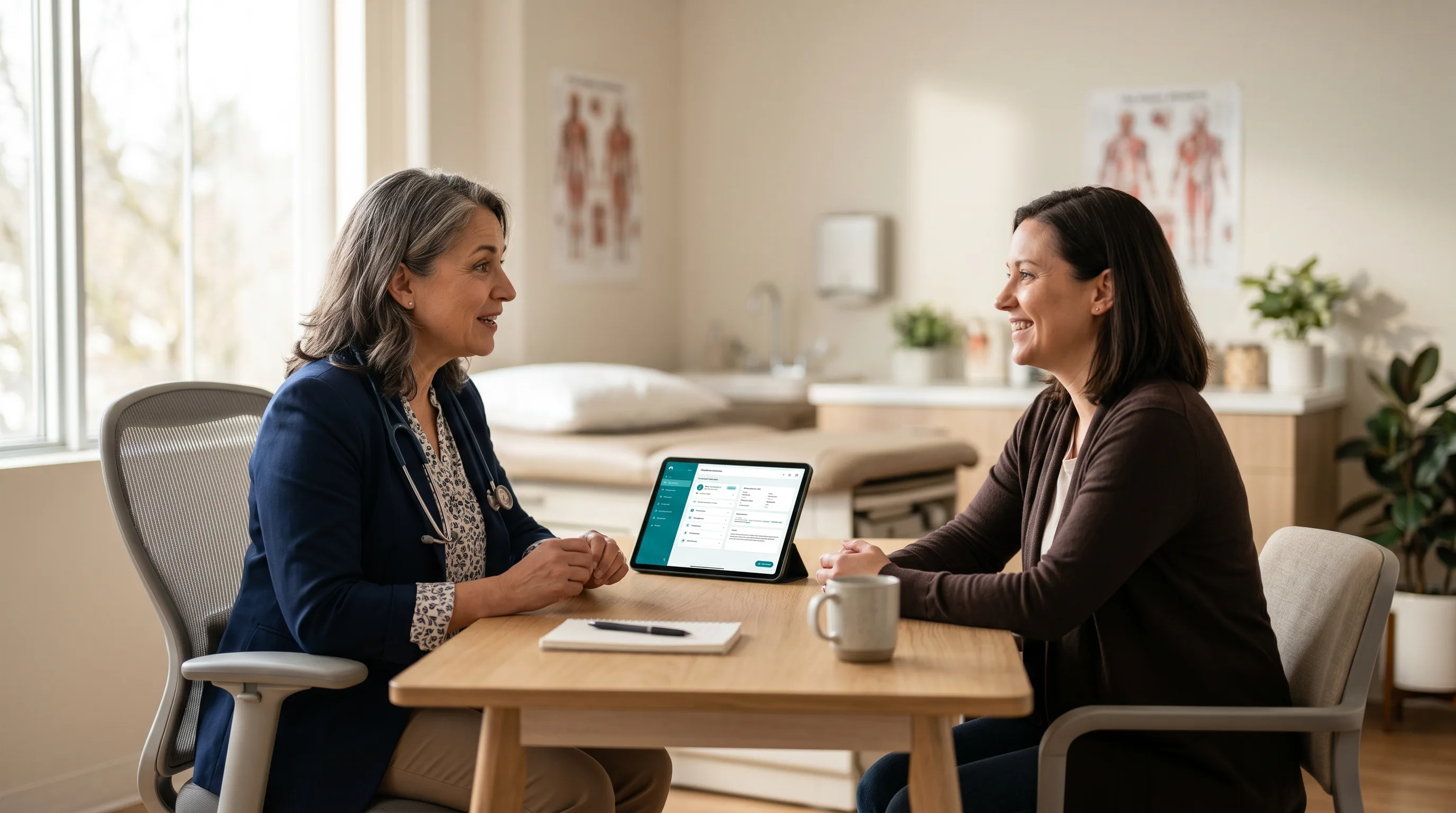
Most AI scribes only touch the middle of the visit — the part where the two of you are talking. But the visit has three stages, and the studies show the in-room transcript is the smallest lever. Here's the whole-visit map, and where AI actually saves time.
Ask any physician where their day goes and they'll say 'patients.' The clock says otherwise. Here's an hour-by-hour breakdown of a primary care day — built from the EHR log studies — and what it would take to give the hours back.
Assort Health just raised $120M at a $1.2B valuation to own the 'front door' of healthcare — scheduling, referrals, eligibility, and payments. It's an impressive category. But the front door and the exam room are two different jobs, and only one of them is where your notes get written.
When you delegate the note, you risk delegating the thinking that the note encodes. The fix isn't avoiding AI — it's a model where the tool drafts and the physician reviews and owns. Here's why that distinction matters.
Prosper AI just raised $30M from a16z to automate scheduling, insurance verification, and billing. That's real progress on one bottleneck — but it's not the one keeping physicians up at night. Here's why the administrative-AI wave and the clinical-documentation burden are two different problems.
A transcription scribe writes down the visit you already ran. A purpose-built AI clinical partner does the work around the visit too — intake, history, and a decision-ready draft. Here's the difference, and why it matters for your day.
A full, realistic SOAP note example you can copy — plus a blank template for Word or your EMR, how the format adapts across specialties and for nurse practitioners, and the mistakes that make notes take longer than the visit.
Charting after the kids are in bed isn't a discipline problem. It's a workflow problem. Here's what the research actually says about physician documentation load — and where the time really goes.